
About us
The CoNe Lab develops theoretical and computational models of learning and memory in the brain. Our central focus is synaptic plasticity and credit assignment in the hippocampus, particularly behavioral timescale synaptic plasticity (BTSP). We aim to understand how plasticity mechanisms in single neurons and their dendrites give rise to learning in networks and to behavior, and how these mechanisms are affected in aging and neurodegenerative disease. Experimental collaborations within the Program in Memory Longevity and beyond keep our models grounded in current data and allow their predictions to be tested directly.
Research
-
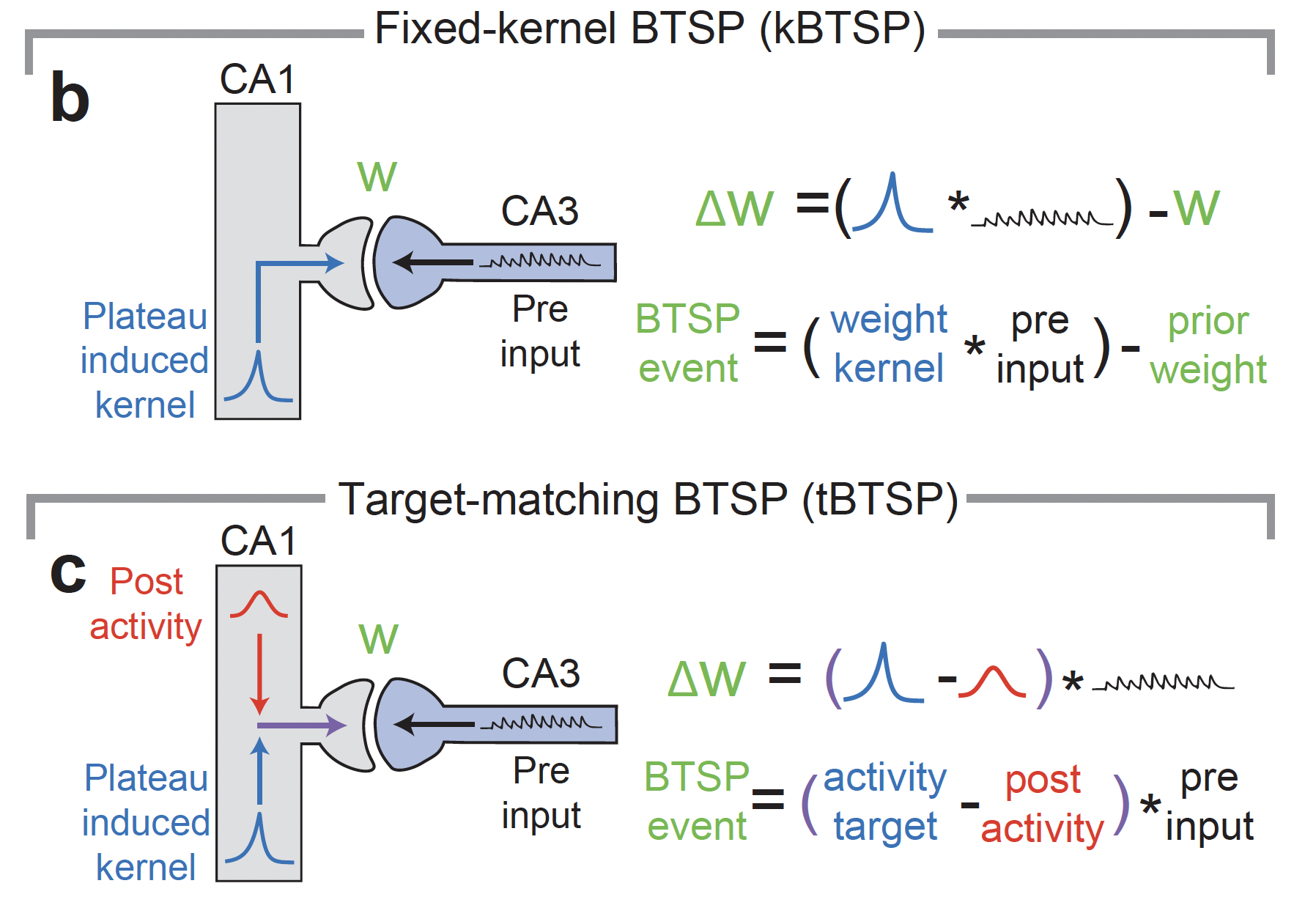
We study how synaptic plasticity, including behavioral timescale synaptic plasticity (BTSP), supports learning across scales, from dendrites to single cells to networks to behavior, and how these processes break down in neurodegeneration.
-
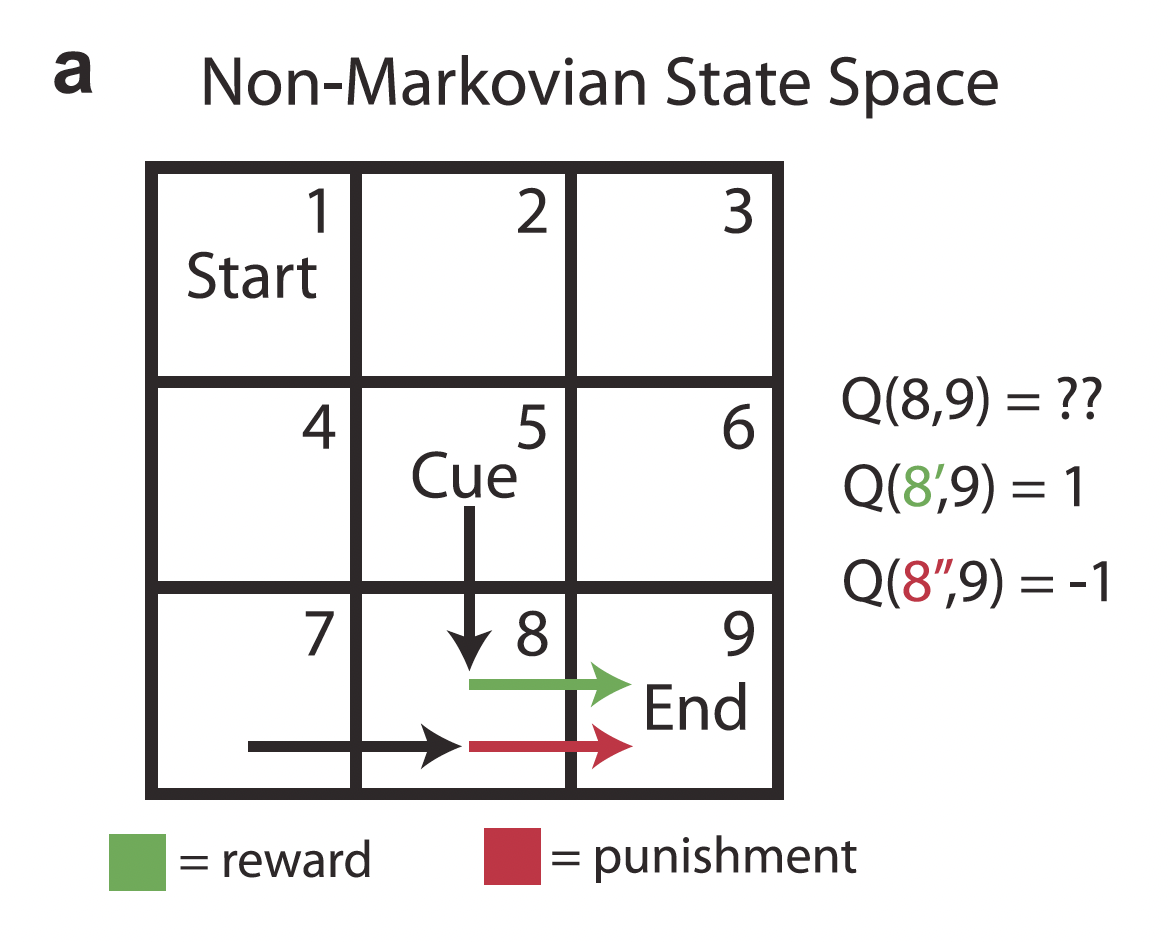
We study how the brain builds internal maps of the world and infers hidden structure, particularly in complex and uncertain environments, drawing on predictive representations and hippocampal replay.
-
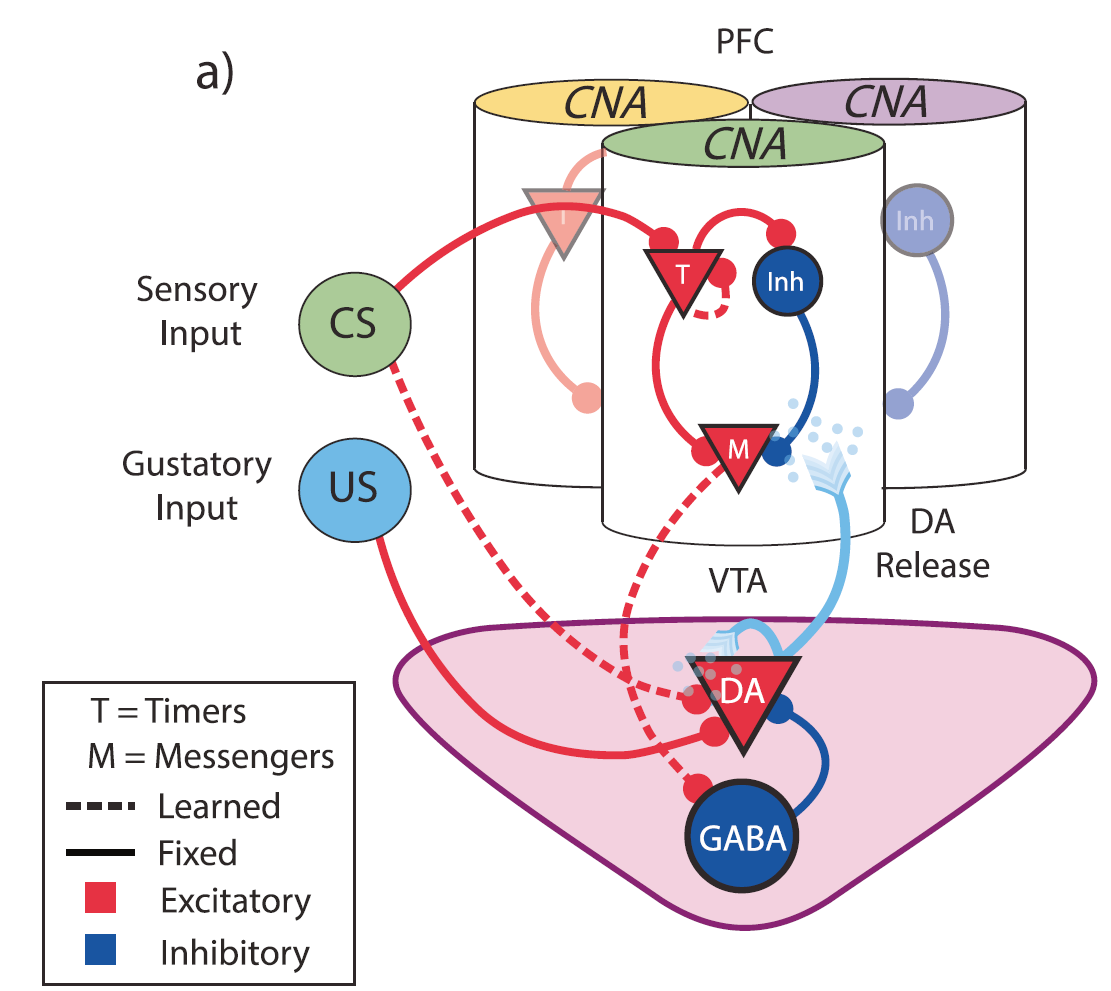
We study how the biophysics of neuromodulation can function as a real-time controller, shaping network dynamics, excitability, and plasticity.
People

Ian Cone, Ph.D.
Principal Investigator
Dr. Ian Cone is a computational neuroscientist studying how synaptic plasticity shapes learning, memory, and cognitive mapping at the network level. His lab builds multi-scale, biophysically grounded theoretical models that span single-cell and dendritic mechanisms, network dynamics, and behavior. Working closely with experimental collaborators, the group aims to explain how specific plasticity rules give rise to computation across the circuit.
Dr. Cone earned his PhD in Applied Physics from Rice University, and subsequently conducted postdoctoral training with Claudia Clopath and Rui Ponte Costa at Imperial College London and the University of Oxford. He is currently an Assistant Professor in the Peter O'Donnell Jr. Brain Institute (OBI) and the department of Biomedical Engineering at UT Southwestern Medical Center, where he leads the CoNe Lab within the Program in Memory Longevity.
[Google Scholar] [Email]
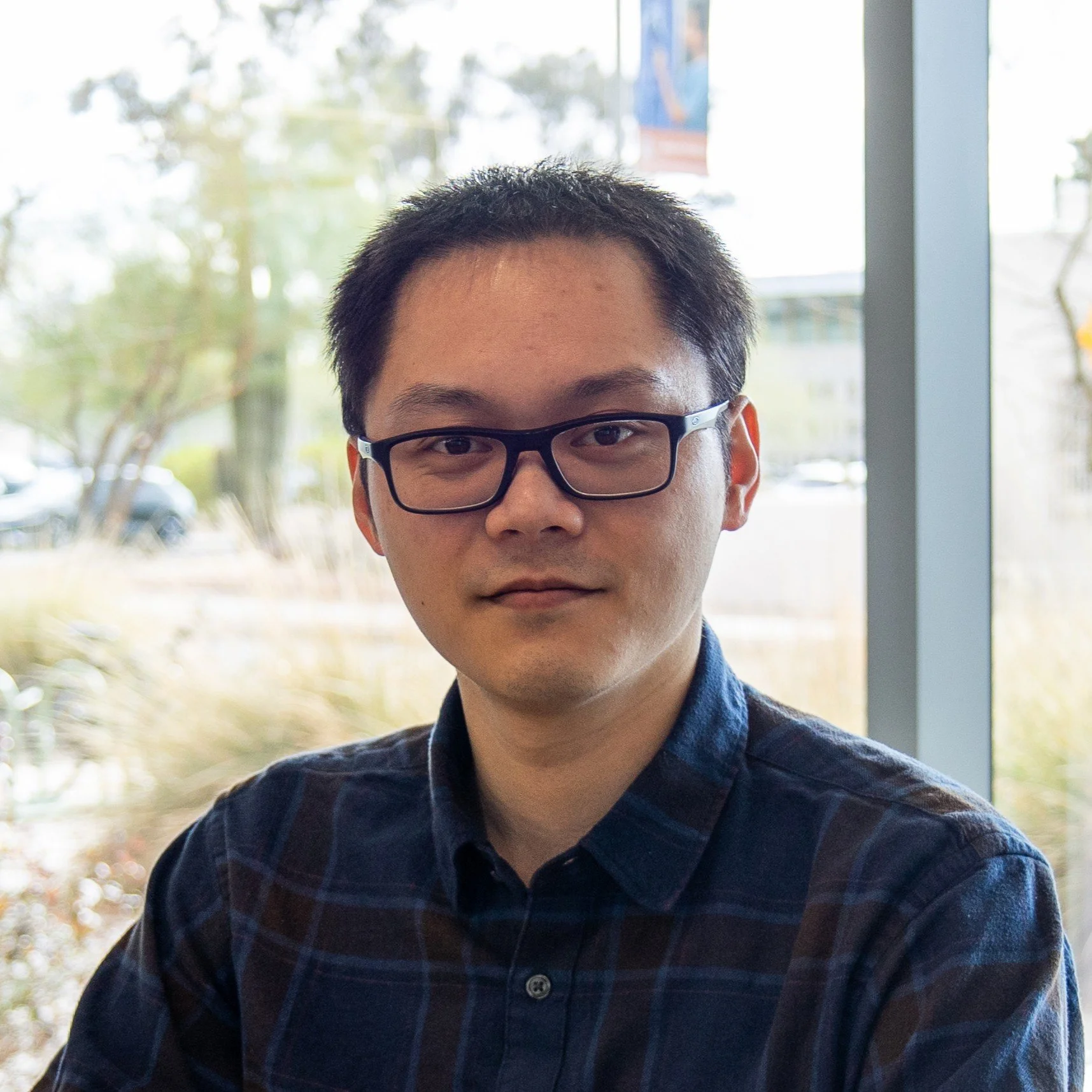
Ziao Chen, Ph.D.
Postdoctoral Research Scientist
Ziao received his Ph.D. in Electrical and Computer Engineering from the University of Missouri, where he developed biophysical neural circuit models to investigate neural oscillations and network dynamics. His research also involved computational methods for analyzing electrophysiological recordings. Before joining the CoNe Lab, he conducted postdoctoral research at the University of Arizona, analyzing electrophysiological and behavioral data to investigate neural dynamics associated with movement disorders.
[Google Scholar] [Email]
Selected publications
Credit Assignment via Behavioral Timescale Synaptic Plasticity: Theoretical Frameworks
Ian Cone, Claudia Clopath, Rui Ponte Costa
bioRxiv · 2025 · Paper↗
Learning to express reward prediction error-like dopaminergic activity requires plastic representations of time
Ian Cone, Claudia Clopath, Harel Shouval
Nature Communications · 2024 · Paper↗
Latent representations in hippocampal network model co-evolve with behavioral exploration of task structure
Ian Cone, Claudia Clopath
Nature Communications · 2024 · Paper↗
Behavioral Time Scale Plasticity of Place Fields: Mathematical Analysis
Ian Cone, Harel Shouval
Frontiers in Computational Neuroscience · 2021 · Paper↗
Learning precise spatiotemporal sequences via biophysically realistic learning rules in a modular, spiking network
Ian Cone, Harel Shouval
eLife · 2021 · Paper↗
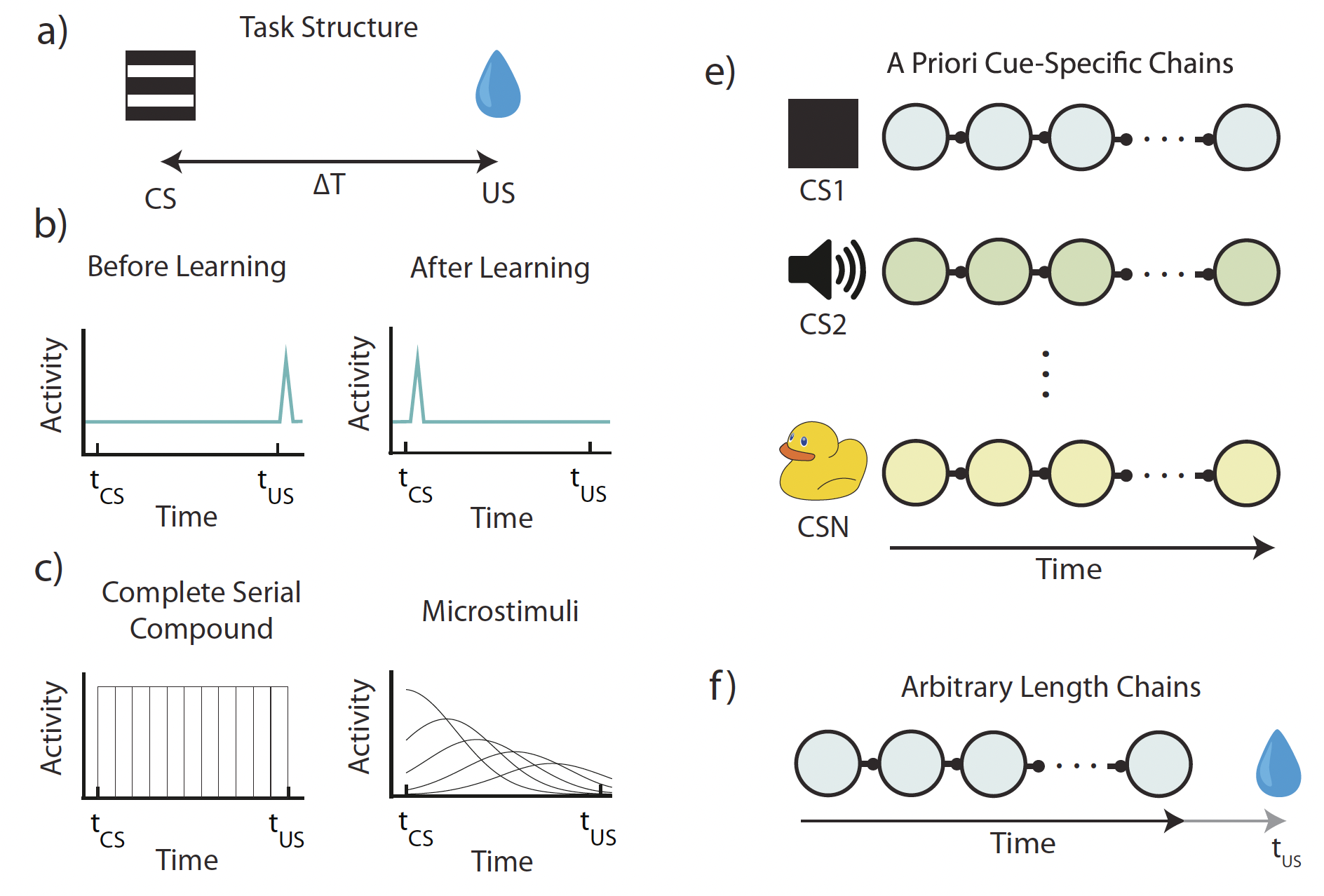
How should we think about neural representations of time? Read more here.
CoNe Lab
UT Southwestern Medical Center
Peter O’Donnell Jr. Brain Institute, NS4.240
Ian.Cone@UTSouthwestern.edu