

Attila Losonczy, M.D., Ph.D.
Principal Investigator
Dr. Attila Losonczy is a neuroscientist whose research focuses on understanding how neural circuits in the hippocampus support learning, memory, and spatial cognition. His laboratory combines advanced optical imaging, electrophysiology, and computational methods to dissect the synaptic and circuit mechanisms underlying memory formation and consolidation in the mammalian brain.
Dr. Losonczy earned his M.D. from University Medical School in Pecs and his Ph.D. degree from Semmelweis University in Budapest, Hungary. He conducted postdoctoral in Jeff Magee's lab. He served as a Full Professor at Columbia University. He is currently a Professor of Neuroscience at the Peter O’Donnell Jr. Brain Institute and UT Southwestern Medical Center, where he leads the Losonczy Lab and the Program on Memory Longevity (PML).
His team develops and applies next-generation optical tools for circuit, cellular and subcellular imaging and all-optical physiology, aiming to uncover how experience modifies the brain across multiple spatial and temporal scales. The lab’s work bridges molecular, cellular, and systems-level approaches to build a mechanistic understanding of how memories are formed, stabilized, and degraded — and how these processes are altered during aging and neurodegenerative disease.
-
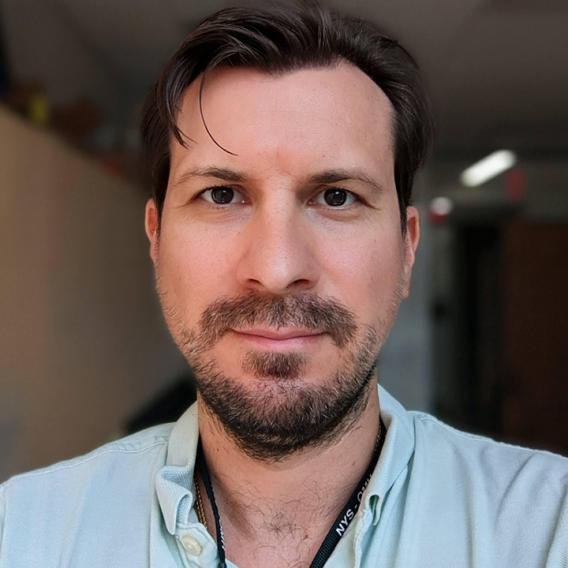
Gergely Turi Ph.D.
Research Assistant Professor
Dr. Gergely Turi is a neuroscientist investigating the cellular and circuit mechanisms that underlie learning, memory, and emotional regulation. His research combines in vivo two-photon imaging, optogenetic circuit interrogation, and computational analysis to explore how hippocampal and cortical networks encode and stabilize memories across brain states such as wakefulness and sleep.
Dr. Turi earned his Ph.D. from the Semmelweis University, Budapest, Hungary, and completed postdoctoral training at Columbia University. At UT Southwestern’s Peter O’Donnell Jr. Brain Institute, he serves as a Research Assistant Professor in the Department of Neuroscience and a key member of the Program in Memory Longevity (PML).
His current work focuses on integrating advanced optical imaging to uncover how experience-dependent plasticity contributes to long-term memory stability and how these processes are altered during stress, aging, and disease.
-

Adrian Negrean, Ph.D.
Senior Scientist
Dr. Adrian Negrean is a senior neuroscientist currently at the UT Southwestern O'Donnell Brain Institute. He previously held positions at the Allen Institute for Neural Dynamics with Dr. Kaspar Podgorski, completed postdoctoral training at Columbia University with Dr. Attila Losonczy, and earned his doctorate at VU University Amsterdam under the mentorship of Dr. Huib Mansvelder. His research spans from developing new optical tools to understanding the link between behavior and biophysical mechanisms of learning and memory at the level of dendrites, synapses, and neural networks.
-
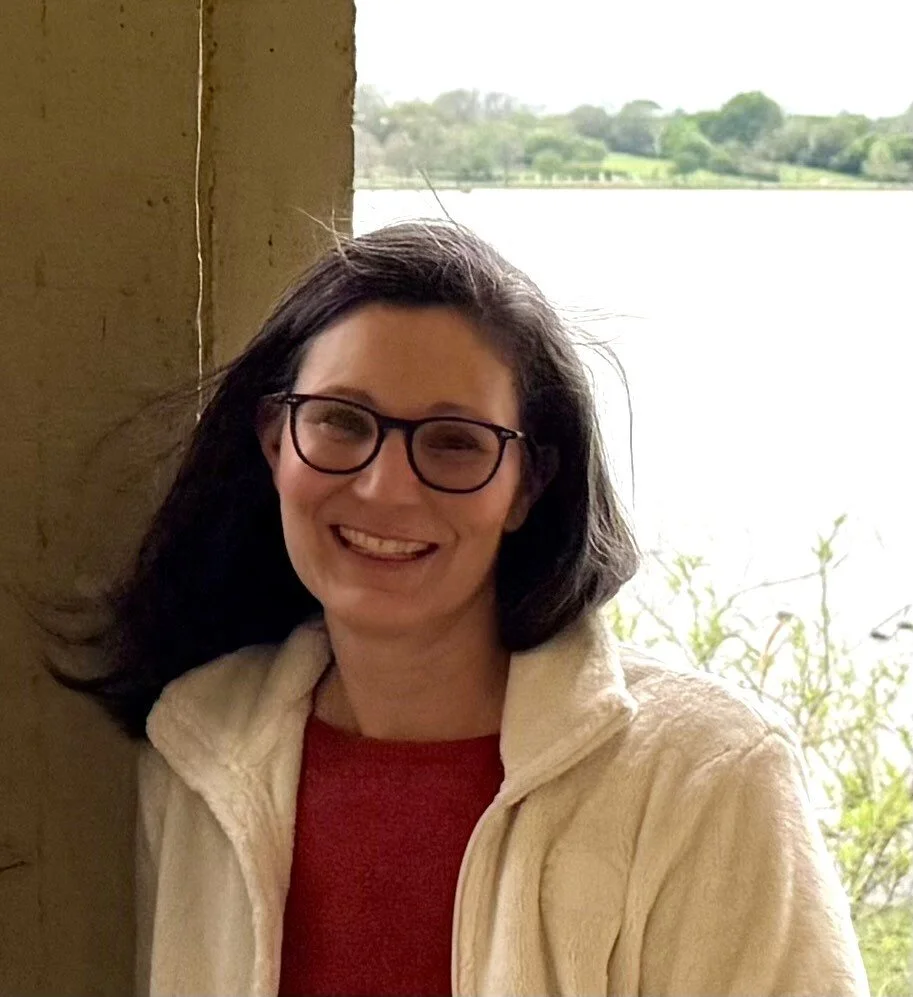
Dana Dodd, Ph.D.
Senior Research Scientist
I received my B.A. in biochemistry and molecular biology at UC Santa Cruz and my Ph.D. in microbiology and immunology from Stanford University, where I studied trafficking of poliovirus proteins. For my postdoc, I worked at the Brain Research Institute at the University of Zurich, investigating the neurite outgrowth inhibitor Nogo-A. At UTSW’s Microbiology Department I discovered how a bacterial protein inhibits phagocytosis and at the Center for Alzheimer’s and Neurodegenerative diseases I employed CRISPR-Cas9 screens to find proteins involved in tau uptake and seeding.
-
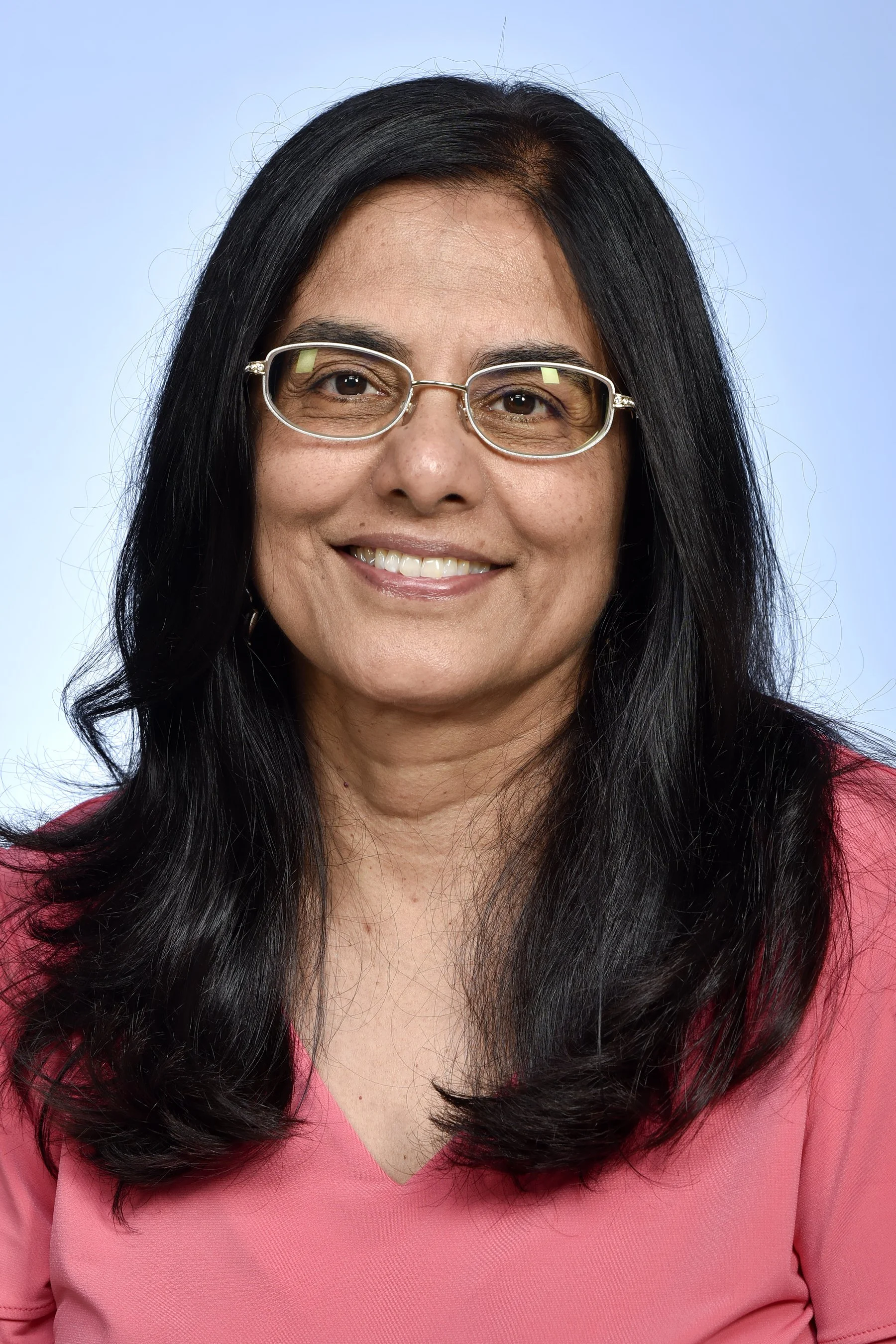
Shobhana Sivaramakrishnan Ph.D.
Senior Scientist, Instructor
Dr. Shobhana Sivaramakrishnan is a neuroscientist whose research focus is the cellular and synaptic bases of neural circuit function in sensory processing. Her research combines electrophysiological and optical measurements of activity in brain slices and in vivo in awake animals to understand how ion channels and synapses modulate gain control by single neurons and neural circuits in health and disease.
Dr. Sivaramakrishnan earned her Ph.D. from the University of Texas at Austin in George Bittner’s laboratory. She did postdoctoral work at the California Institute of Technology in Gilles Laurent’s lab and at the University of Connecticut Health Center in Douglas Oliver’s lab. She served as Assistant Professor at Northeast Ohio Medical University/Kent State University and is currently an Instructor in the Department of Neuroscience at UT Southwestern Medical Center and a member of the Program in Memory Longevity (PML).
With a long-term objective of elucidating how normal neural activity transforms into pathological states, Dr. Sivaramakrishnan’s current work focuses on combining electrophysiological recordings with advanced imaging techniques to study neural processing in animal models and human tissue by manipulating activity in single neurons and neural circuits.
-
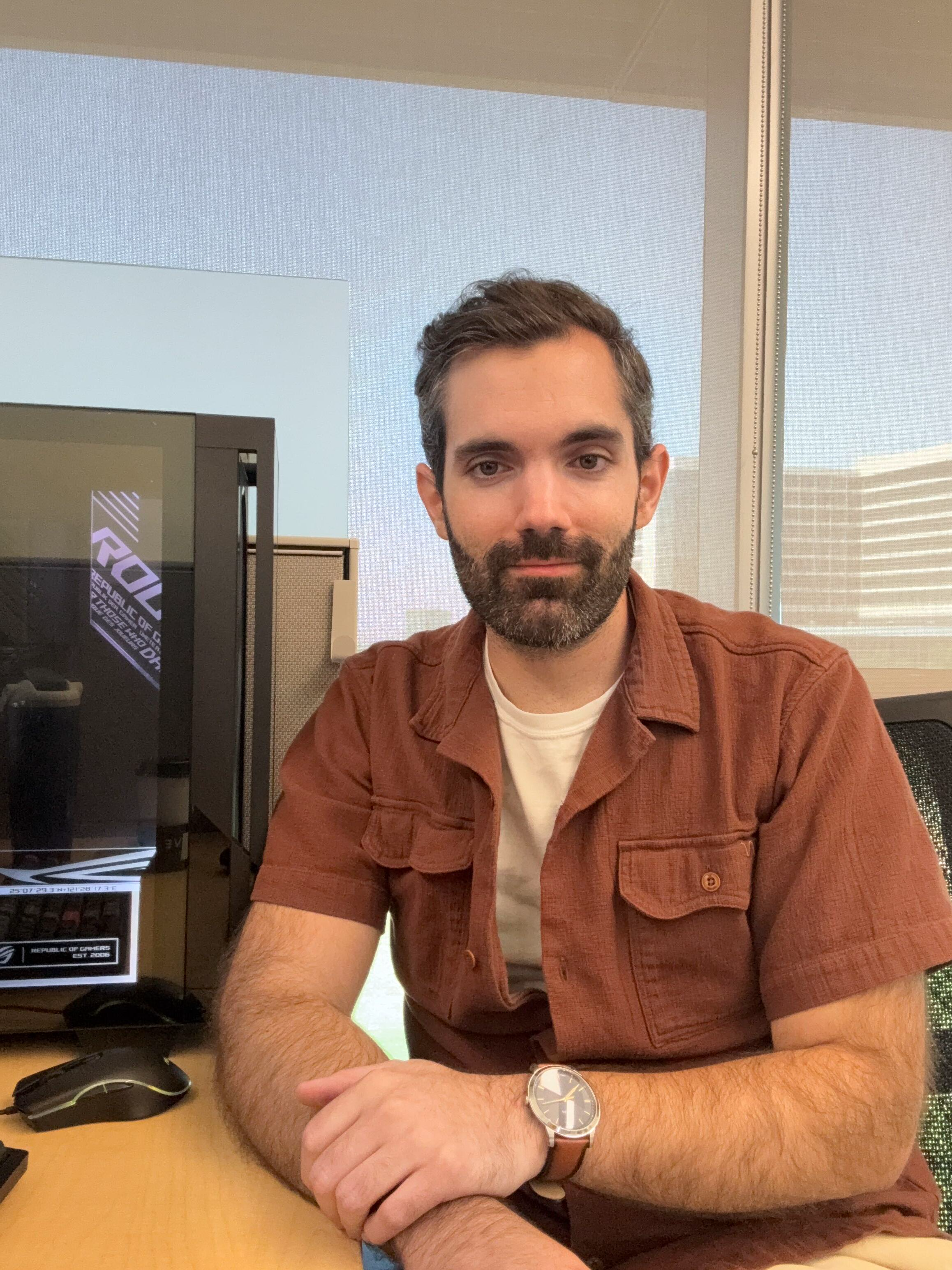
Flynn O'Connell
Flynn O'Connell has a background in neuroscience, software development, and scientific computing. He completed his B.S. in Neuroscience (2018) from the State University of New York at Binghamton and continued as a Research Scientist (2018–2022) in Patricia Di Lorenzo's lab. He went on to develop computational pipelines as a software engineer at Cornell University before joining Rockefeller University in 2023 as a Computational Scientist at the Miller Brain Observatory, where he managed data processing workflows for neuroimaging data and extended pipelines supporting multiple ongoing projects. In the Losonczy lab, Flynn develops algorithms and software for analyzing large-scale neural and behavioral data, builds and maintains infrastructure for data acquisition and processing, and works across the lab to resolve computational problems in support of basic and translational memory research.
Program Administrator
-
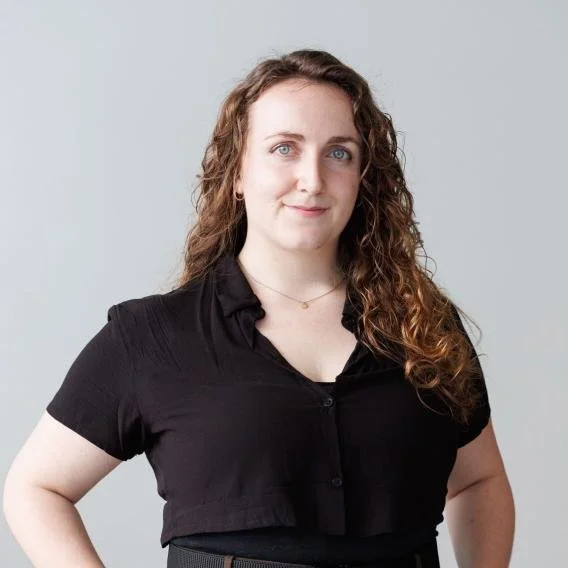
Caroline Wilson
Sr. Research Associate, Program Manager
Caroline is responsible for the oversight of administrative and financial functions. These include overall lab management to ensure compliance, grants development and administration of budgets. She is also currently involved in ongoing chemical and molecular projects.
Postdoctoral Fellows
-
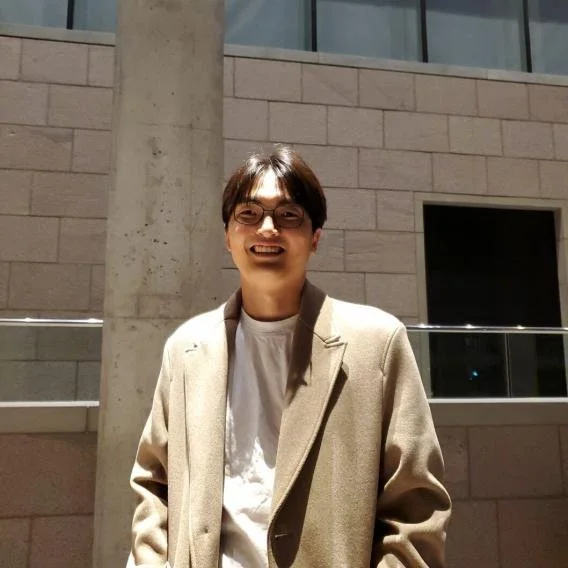
Hyun Choong Yong, Ph.D.
Dr. Yong is interested in identifying physiological and genetic markers that could predict representational drift in the hippocampus.
-
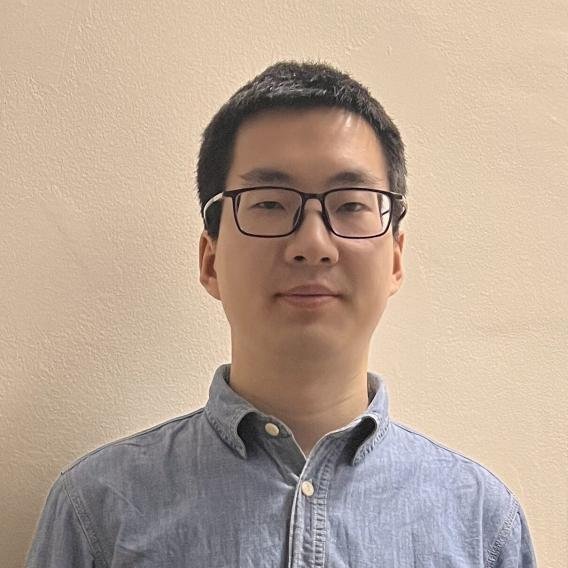
Yu Xin, Ph.D.
Dr. Xin is interested in how structured information is encoded within the hippocampal formation, and how that information is finally transformed into memory.
-

Todd Zheng, PhD
Todd is interested in how hippocampal circuits transform new experiences into durable memories at synaptic level. Specifically, how dendritic computations, neuromodulation, and sleep-related replay convert fragile traces into persistent engrams.
-
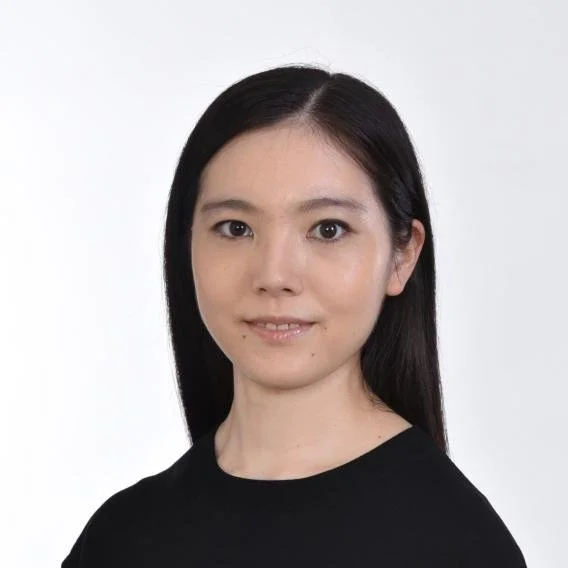
Asako Noguchi, Ph.D.
Dr. Noguchi studies how hippocampal circuits extract and store essential information in a contextual manner by performing two-photon imaging and electrophysiological recordings at the subcellular level.
Doctoral Students
-
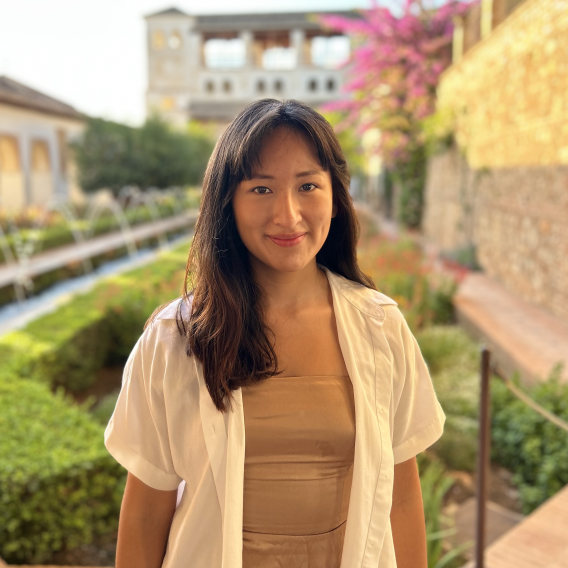
Margaret Conde Paredes
Margaret studies gene expression and in vivo patterns of neural activity in the hippocampus by combining two-photon microscopy and spatial transcriptomics to analyze neurons post-hoc based on their transcriptomic profiles.
Co-advised by Professor Erdem Varol
-
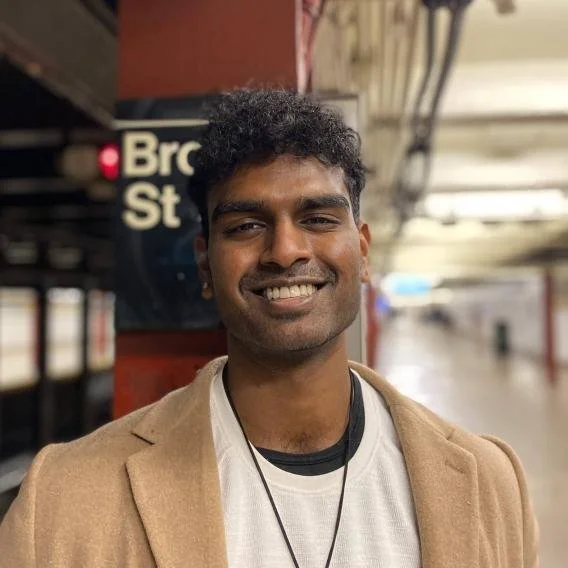
Charan Santhirasegaran
Charan investigates the evolution of neural dynamics at multiple time scales and is developing tools to efficiently explore and manipulate these dynamics in the hippocampus.
Support Staffs
-
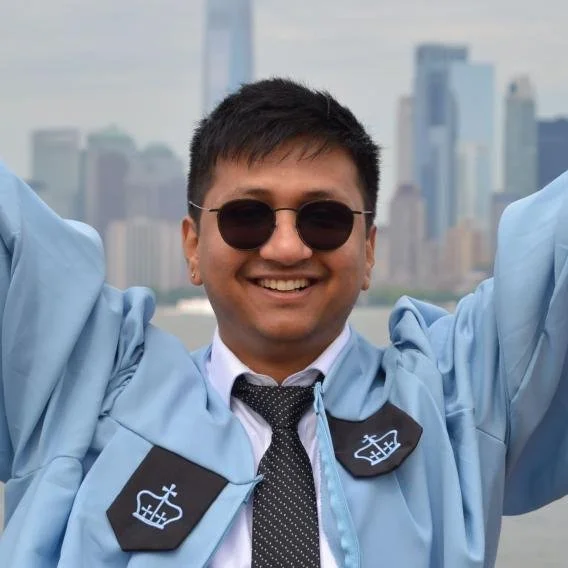
Rudramani Singha
Data Scientist I
Rudra builds and maintains the computational infrastructure that powers the lab's research. He develops data analysis pipelines, visualization tools, and preprocessing workflows, while managing both local and cloud compute resources to support large-scale neural data analysis.
-
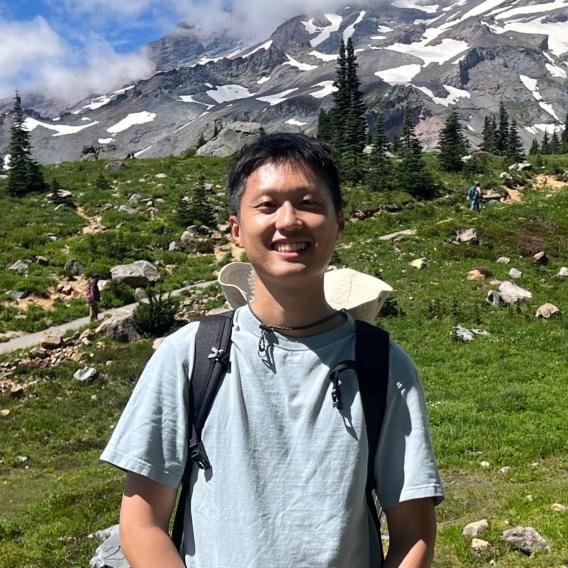
Novak Chen
Novak received his B.A. in Mathematics and Geographic Information Systems from Clark University and his M.A. in Statistics from Columbia University. He builds and maintains large-scale behavioral and neural recording pipelines, integrates pose-tracking workflows, and develops statistical and machine-learning approaches to study memory, fear learning, and circuit–behavior relationships.
-
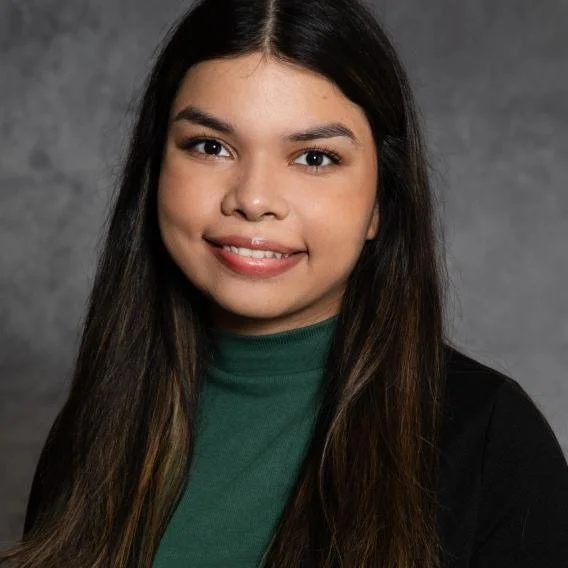
Nisha Gamadia
I received my B.S. in Biology from the University of Texas at Arlington. In the Losonczy lab, I am responsible for animal husbandry and genotyping.